Coffee and tea reading archive
Tasseography: meaning, methods & symbols
Explore tasseography: the tradition of interpreting shapes in tea leaves, coffee grounds or wine sediment. Learn the method, compare cup positions and find symbols in our coffee and tea archives.

Selected by Tasseography.org
Read your coffee cup from a photo
Photograph your cup. CoffeeTells uses AI to identify the symbols and create a detailed reading on your iPhone. Explore their meanings and ask follow-up questions in the app.
Read my cupFor iPhone · App Store
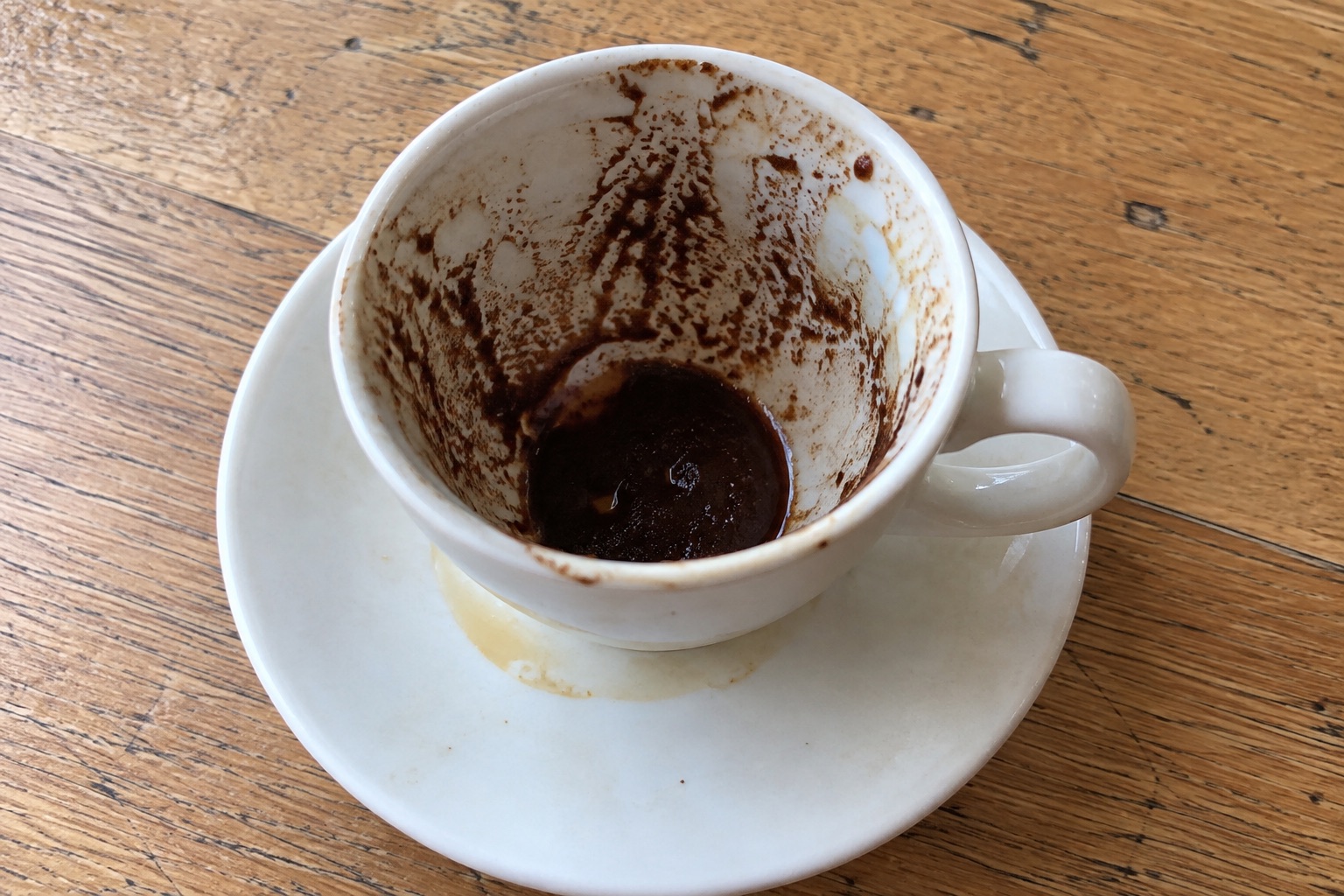 CoffeeCoffee cup reading symbolsSearch more than 200 coffee cup symbols by name, traditional meaning, visual family, and illustrative reference.Search coffee symbols
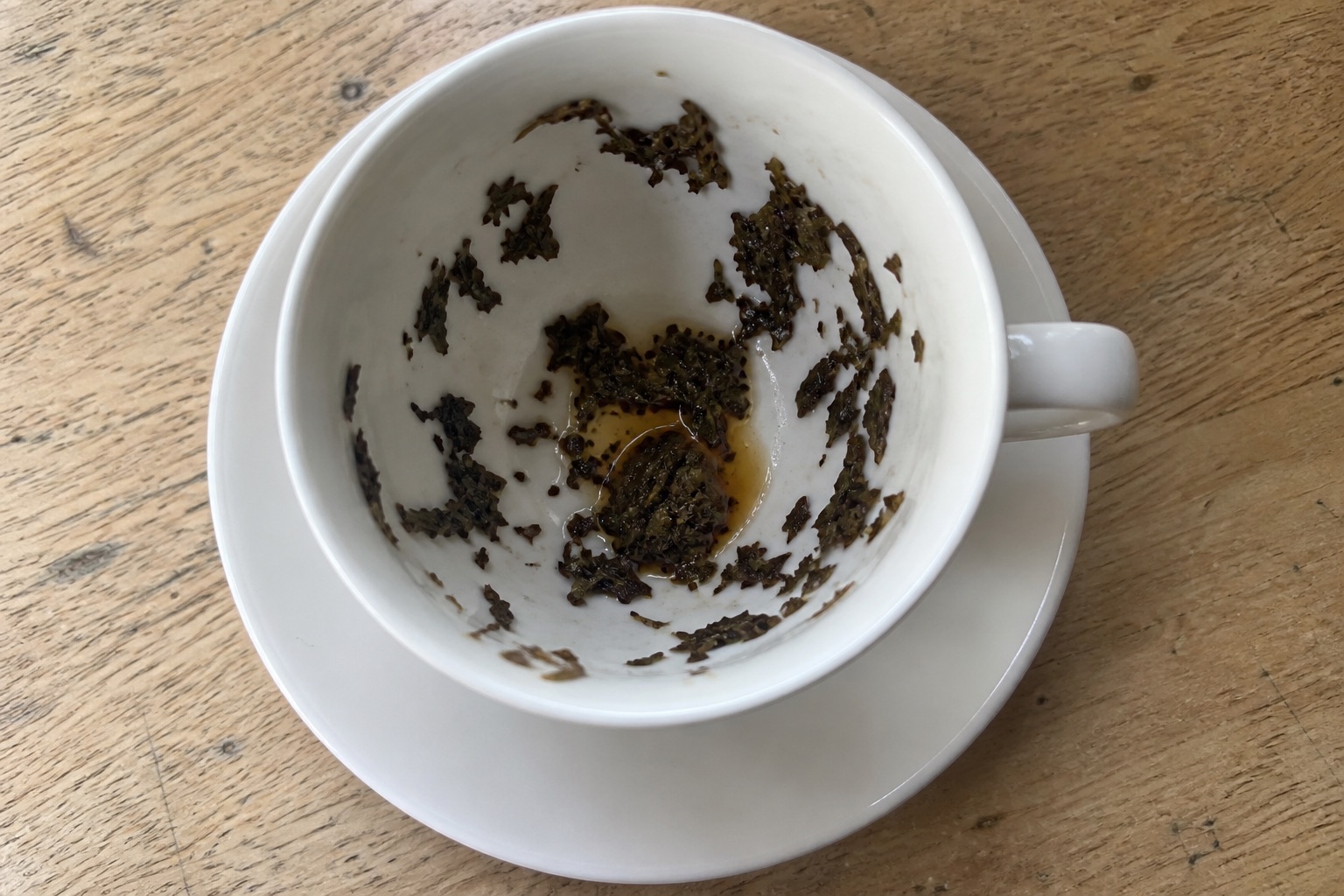 TeaTea leaf reading symbolsSearch 864 tea leaf reading symbols and meanings from historical source books, with source notes and cup-position guidance.Search tea symbols
Visual references are illustrative and are not records of a specific cup reading.
What is tasseography?
Also called tasseomancy or tassology, tasseography is a form of divination based on interpreting residue in a cup. This archive focuses on coffee grounds and tea leaves. Meanings belong to particular traditions and sources; there is no single universal dictionary.
01
Start reading
Prepare a light-coloured cup
Use loose-leaf tea or unfiltered coffee that leaves visible residue. Let the drink cool before handling the cup.
Leave the residue to settle
Leave a little liquid, swirl gently and drain over a saucer. Tea and coffee traditions use different rituals.
Describe the clearest shape
Look for an outline before choosing a meaning. Note its position and nearby marks; leave unclear shapes undecided.
Compare the source
Open the matching symbol entry and check its source notes. Treat an interpretation as a traditional association, not a prediction you can verify from the cup.
02
Tea or coffee?
| Tea | Coffee | |
|---|---|---|
| Material | Loose tea leaves | Settled coffee grounds |
| Preparation | Drain the remaining tea | Let the grounds settle after turning the cup |
| Our references | Historical books with named sources | Compiled traditional glossary; source limits are stated |
03
Cup positions
One common convention is shown below. Books and regional traditions differ: cup zones are interpretive guides, not a fixed timetable.
Rim
Immediate or present concerns
Wall
Matters understood as developing
Base
Underlying or longer-term concerns
Handle
The person whose cup is being read
04
Explore symbols
Choose a shape, then compare its coffee and tea entries. Similar outlines can have different meanings across sources.
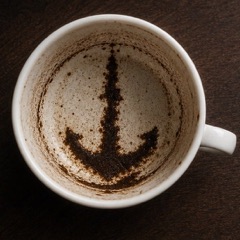
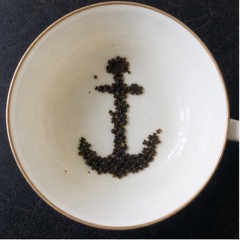
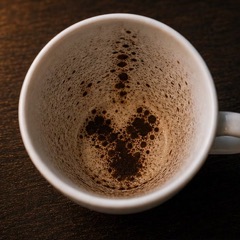
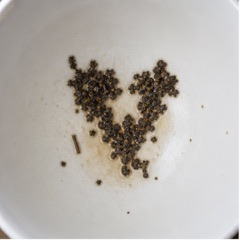
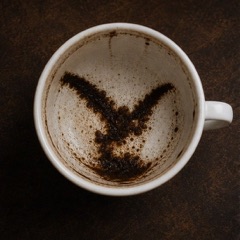
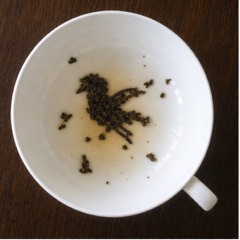
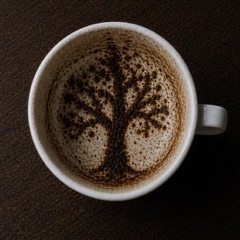
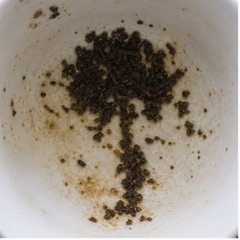
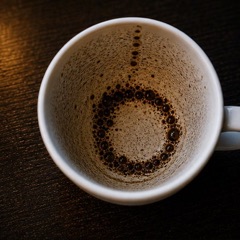
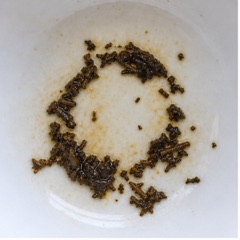
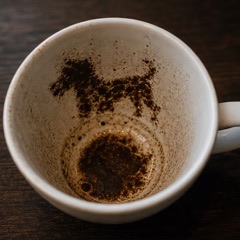
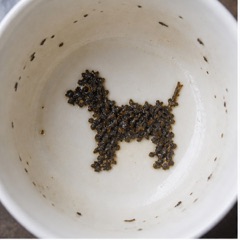
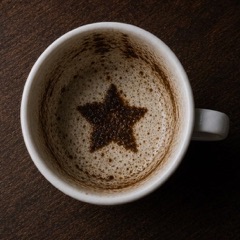
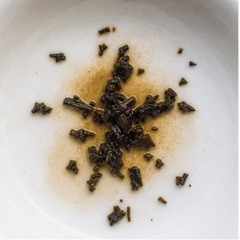
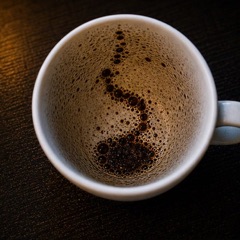
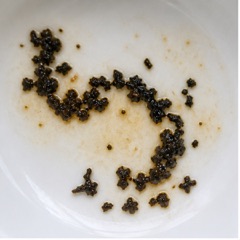
A shape, a position, a possible reading
Hypothetical example: you notice a shape resembling an anchor near the rim. Describe its stem and curved base, then compare the anchor entries in the two catalogs.
A source may associate an anchor with stability. The rim may suggest a present concern within that source's method. This is a symbolic interpretation, not evidence that an event will occur.
05
History & sources
Printed guides by A Highland Seer and Cicely Kent document tea-leaf methods, symbol lists and example readings. They are historical records of beliefs and practices, not evidence that cup reading predicts the future. The tea archive names these sources so readers can compare interpretations.
Original books in English · freely readable at Project Gutenberg
06
Questions
Can anyone learn tasseography?
Anyone can learn to describe shapes and compare traditional interpretations. Start with one clear symbol and its source rather than forcing a meaning onto every mark.
What does tasseography mean?
It means interpreting shapes left by tea leaves, coffee grounds or other sediment in a cup. Tasseomancy and tassology are alternative names.
Is reading tea leaves real?
It is a real cultural practice. This archive documents its traditions; it does not establish that leaves can reliably predict events.
Is Turkish coffee reading real?
Reading coffee grounds is a practiced tradition. Its symbolic meanings should not be confused with demonstrated knowledge of the future.