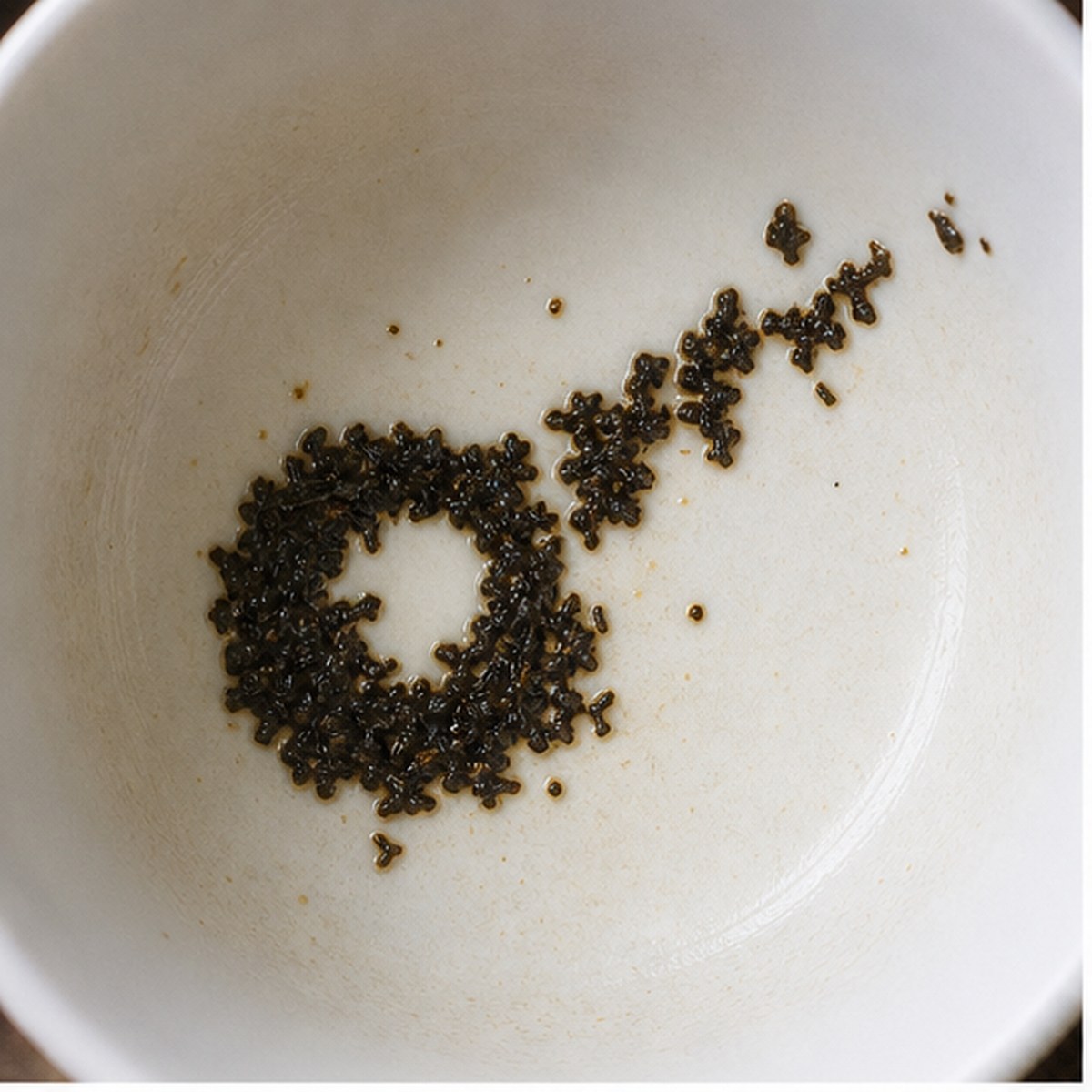
Illustrative references
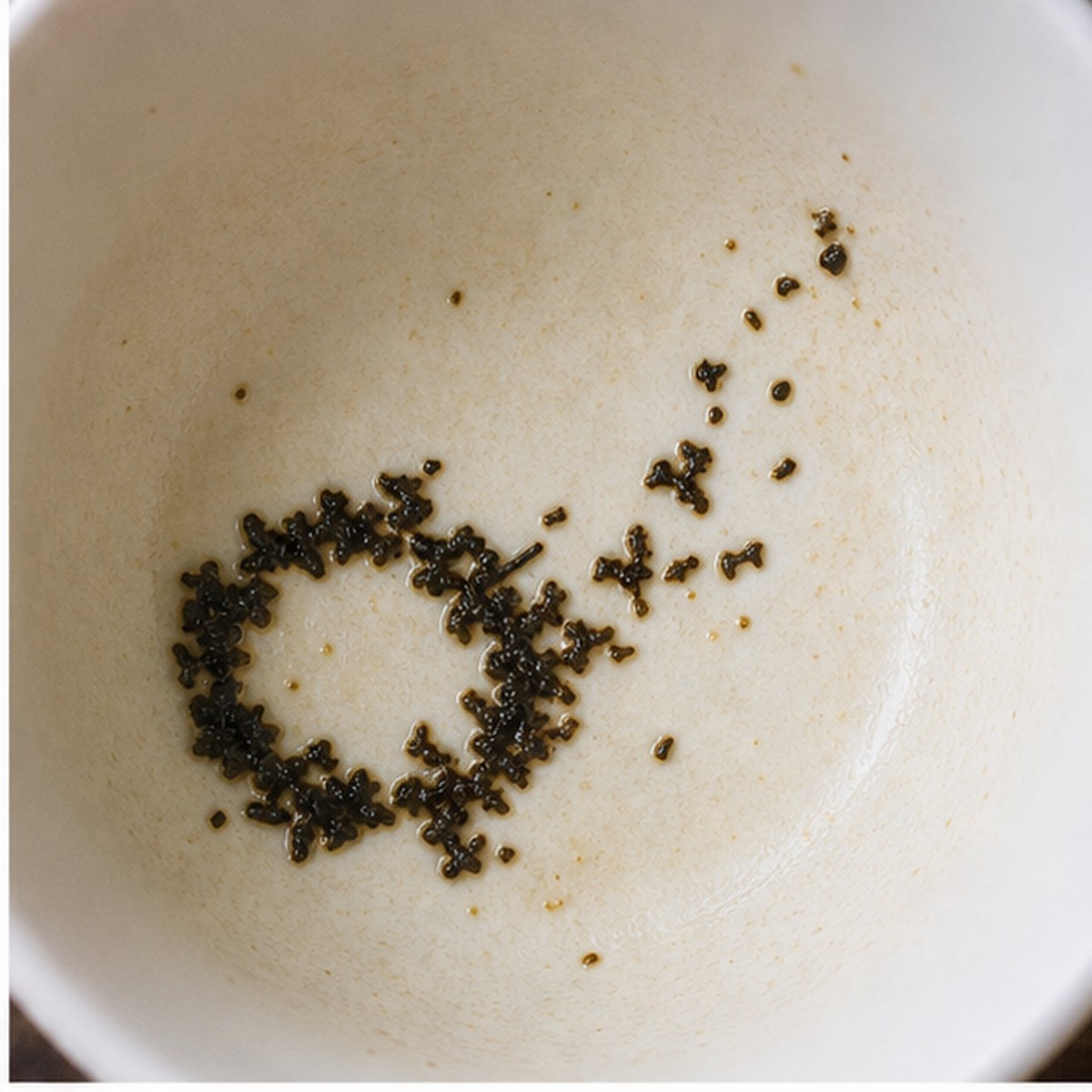
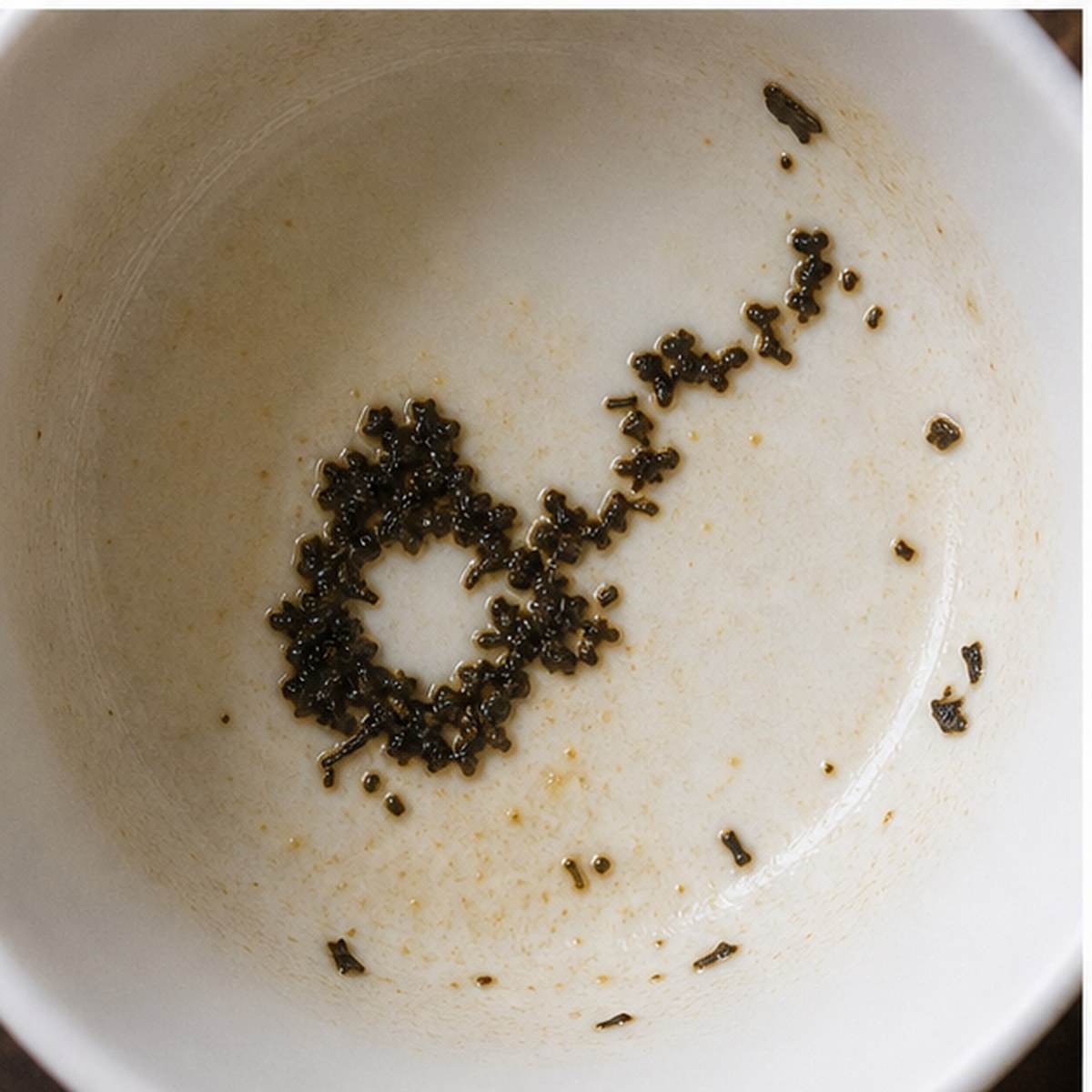
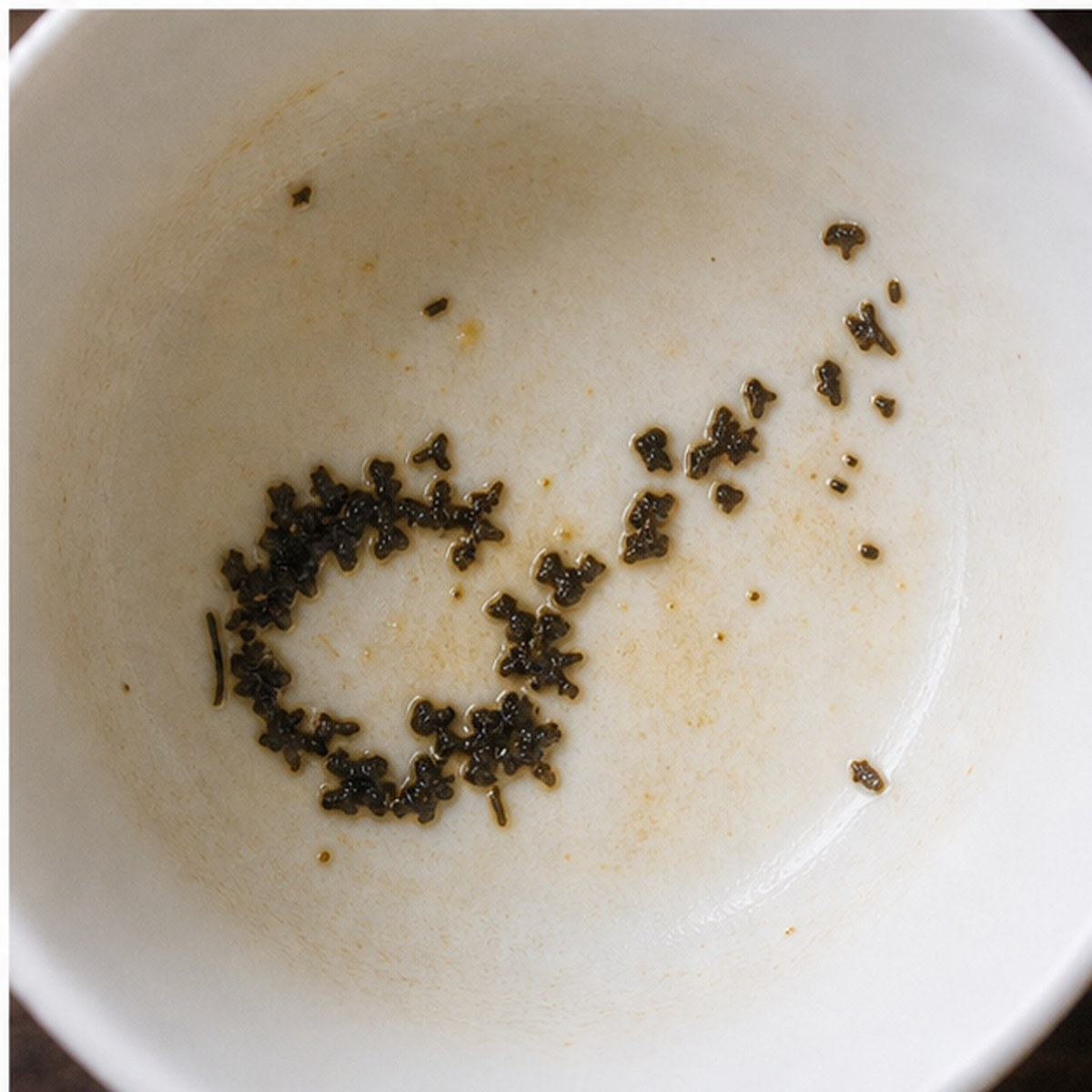
Escape visual variations
How to read Escape in tea leaves
Escape in a tea leaf reading points to See Fire Escape. Read it as a tea-leaf sign first: the shape, cup position, and nearby clusters matter as much as the dictionary meaning.
The visual examples are illustrative reconstructions for comparing a rough silhouette. They are not photographs of a documented reading and should not be treated as exact templates.
This entry paraphrases the books listed under Historical sources. The linked Project Gutenberg editions provide the historical text; the wording on this site is rewritten.
Cup position
How placement changes the reading
Rim
Readers commonly use the rim for the present or near future.
Middle
The middle wall is commonly used for a matter understood as developing.
Base
The base is commonly used for slower, hidden, or underlying matters.
Handle
The handle side is commonly read as closest to the person whose cup is being interpreted.

Optional companion application
Decode tea leaves with a guided flow
CoffeeTells is a separate companion application. This link opens its App Store page.